Ellis Brooks · 2 October 2026
Examining Integration Patterns Between External Tools and Core Platform Functions for Sustained Operational Continuity
Integration patterns between external tools and core platform functions represent structured approaches that organizations use to connect third-party applications with internal systems while maintaining consistent performance levels across daily operations. These patterns rely on standardized methods such as application programming interfaces, middleware layers, and event-driven architectures that allow data to flow without disrupting existing workflows. Researchers at institutions like the Massachusetts Institute of Technology have documented how such connections support long-term stability when platforms undergo updates or scale to handle increased loads.
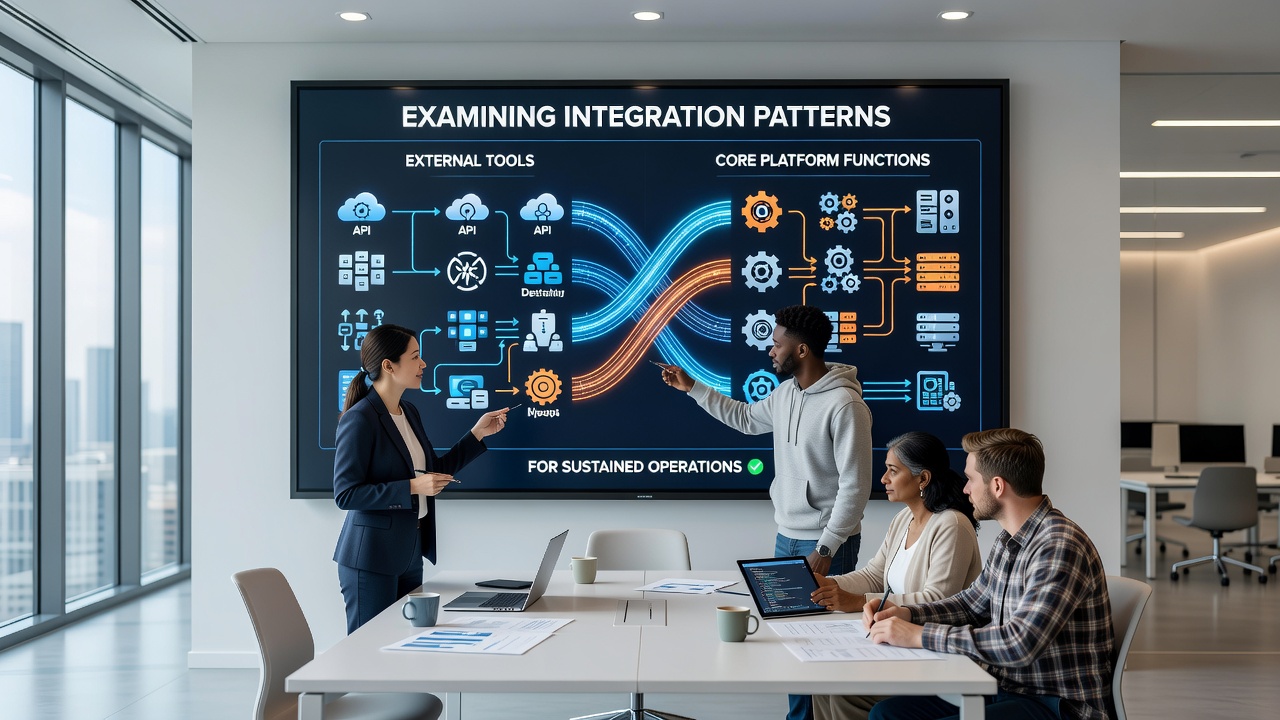
Core platform functions typically include user authentication, data storage, and processing engines, whereas external tools often encompass analytics software, customer relationship management systems, and automation services. One common pattern involves direct API calls that synchronize information in real time, while another uses message queues to handle asynchronous exchanges during peak usage periods. Observers note that selecting the appropriate pattern depends on factors including data volume, latency requirements, and security protocols that protect sensitive information throughout the exchange process.
Key Patterns Observed in Modern Platforms
Hub-and-spoke models centralize communication through a single intermediary that routes requests between external tools and core functions, which reduces the number of direct connections and simplifies maintenance when multiple tools require updates. Event-driven architectures, by contrast, trigger actions based on specific occurrences such as new data entries or system alerts, allowing platforms to respond dynamically without constant polling that consumes resources. Data from the National Institute of Standards and Technology indicates that organizations adopting these approaches experience fewer interruptions during routine maintenance windows because the patterns isolate changes to specific components rather than requiring full system restarts.
Point-to-point integrations remain relevant for simpler setups where a limited number of tools connect directly to core databases through secure tunnels, yet these require careful monitoring to prevent bottlenecks when traffic increases. Studies from European research consortia have shown that hybrid patterns combining elements of multiple approaches deliver greater flexibility, especially when platforms must accommodate tools from different vendors that follow varying data formats and authentication standards. Implementation teams often begin by mapping data flows to identify which pattern aligns with existing infrastructure constraints and future growth projections.
Operational continuity benefits emerge when integration patterns incorporate redundancy measures such as failover endpoints and cached responses that keep services available even if one external tool experiences downtime. Automated monitoring scripts track connection health and trigger alerts when response times exceed defined thresholds, enabling teams to address issues before they affect end users. In practice, platforms that embed these safeguards report sustained uptime metrics during infrastructure transitions, as documented in industry reports tracking enterprise deployments over multi-year periods.
Challenges and Mitigation Approaches
Security remains a primary concern because external tools introduce additional entry points that must align with core platform access controls and encryption standards. Teams address this through token-based authentication and regular audits that verify compliance with established frameworks. Compatibility issues arise when external tools receive updates that alter data structures, requiring integration layers to adapt quickly through versioned APIs that support backward compatibility during transition periods.
Resource allocation presents another consideration as complex patterns demand ongoing oversight from specialized personnel who understand both the external tools and the underlying platform architecture. Automated testing suites simulate various failure scenarios to validate that continuity measures function as intended before live deployment. Evidence from academic analyses at Australian universities suggests that proactive simulation reduces the frequency of live incidents by identifying weak points in data pathways early in the development cycle.
Developments Anticipated by October 2026
Regulatory updates scheduled for October 2026 across multiple jurisdictions will require enhanced logging of data exchanges between external tools and core platforms, which will influence how integration patterns incorporate audit trails and consent management features. Platforms preparing for these changes are incorporating modular components that allow quick adjustments to logging requirements without redesigning entire connection frameworks. Industry organizations tracking these timelines report that early adopters of flexible patterns have begun pilot programs to test compliance features ahead of enforcement dates.
Advances in container orchestration and service mesh technologies are expected to streamline deployment of integration patterns by providing built-in observability and traffic management capabilities. These developments will support platforms handling diverse external tools while maintaining performance standards during high-demand periods. Data from government digital transformation agencies in Canada highlights ongoing investments in such infrastructure that aim to reduce integration complexity for organizations managing multiple vendor relationships.
Conclusion
Integration patterns between external tools and core platform functions continue to evolve as organizations prioritize sustained operational continuity amid changing technical and regulatory landscapes. Established approaches such as hub-and-spoke and event-driven models provide proven methods for managing connections, while emerging technologies offer pathways for further refinement. Those responsible for platform stability examine these patterns through ongoing assessment of performance data, security protocols, and compatibility requirements to ensure reliable service delivery over time.